Pest Identification Library

Spot the signs early. Our expert guide covers the most common pests found in Norfolk, Suffolk, Cambridgeshire, Essex and Hertfordshire — with advice on what to do next.

Brown Rats pest identification
RodentsHigh risk

Brown Rats

Rattus norvegicus

The brown rat is the most common rat species in the UK and a serious pest in both domestic and commercial settings. Highly adaptable, they burrow under buildings, travel through drainage systems, and gnaw through almost any material.

Active year-round. Most likely to enter buildings in autumn and winter as outdoor food sources diminish.
Mice pest identification
RodentsHigh risk

Mice

Mus musculus

House mice are the most widespread rodent pest in the UK. Small and agile, they can squeeze through gaps as small as 6mm and contaminate far more food than they consume.

Active year-round; most commonly enter buildings in autumn as temperatures drop.
Hornets pest identification
Stinging InsectsHigh risk

Hornets

Vespa crabro

The European hornet is the UK's largest social wasp, reaching up to 35mm in length. They build large paper nests in hollow trees, roof spaces, wall cavities, and outbuildings. Though less common than common wasps, their size and colony aggression make them a serious hazard.

Queens emerge in spring to build new nests; colonies peak July–October. Nests are abandoned in late autumn.
Wasps pest identification
Stinging InsectsHigh risk

Wasps

Vespula vulgaris

Common wasps build paper nests in roof spaces, wall cavities, and gardens. A mature nest can contain up to 10,000 workers and poses a serious sting risk, particularly to those with allergies.

Nests are built from April onwards; peak activity July–September. Colonies die off in late autumn.
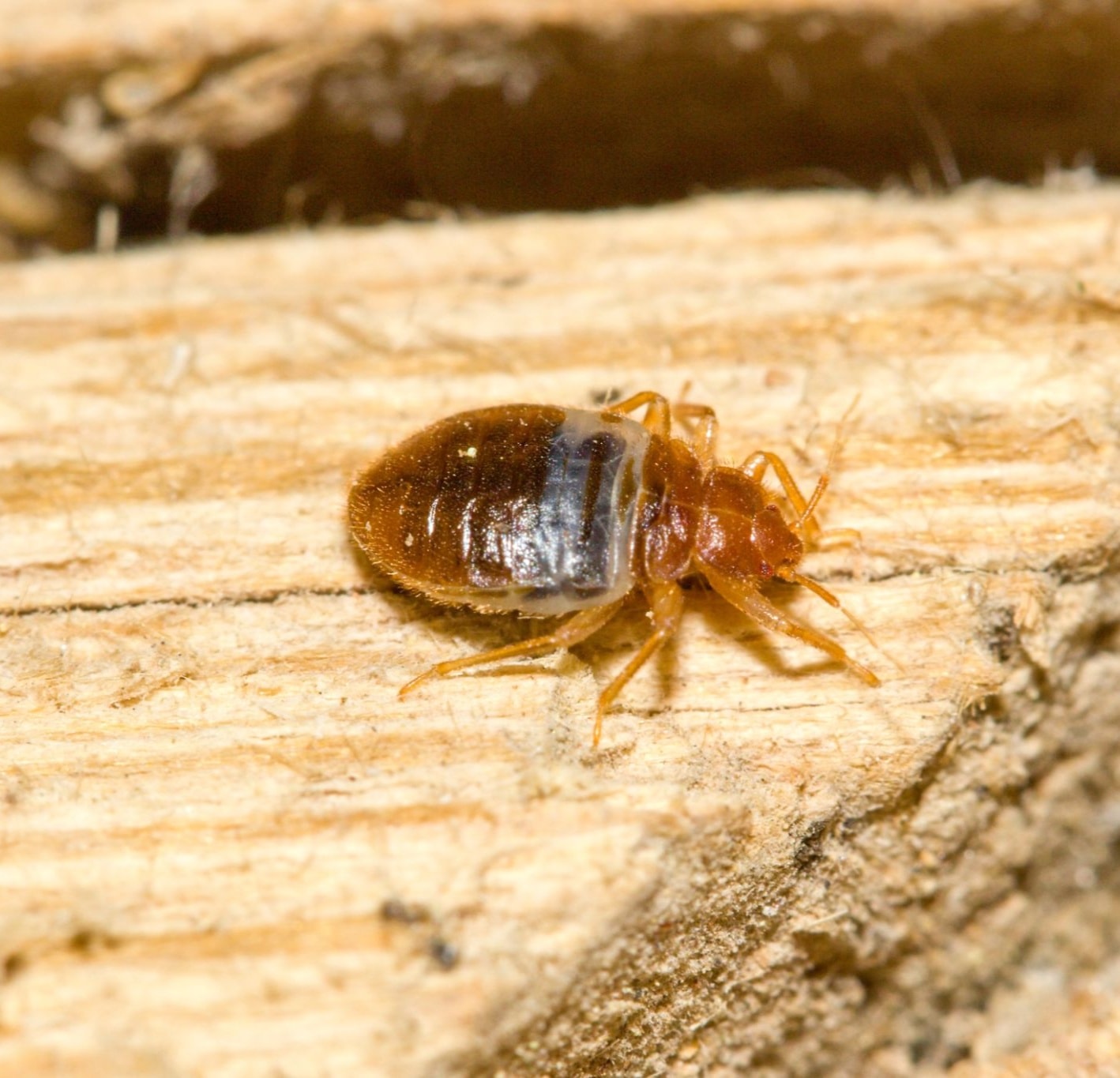
Bed Bugs pest identification
ParasitesHigh risk

Bed Bugs

Cimex lectularius

Bed bugs are small, blood-feeding parasites that hide in mattresses, bed frames, and furniture. They are not a sign of poor hygiene — they travel easily on luggage, clothing, and second-hand furniture.

Active year-round indoors. Infestations often follow travel or acquisition of second-hand furniture.
Cockroaches pest identification
Crawling InsectsHigh risk

Cockroaches

Blattella germanica

The German cockroach is the most common cockroach species found in UK buildings. It thrives in warm, humid environments such as kitchens, commercial catering premises, and boiler rooms.

Active year-round indoors. Most common in commercial kitchens, restaurants, and food processing facilities.
Ants pest identification
Crawling InsectsLow risk

Ants

Lasius niger

The black garden ant is the most common ant species in the UK. Colonies can number in the thousands and are typically found nesting in soil, under paving slabs, and in wall cavities. They become a problem when foraging workers enter homes and businesses in search of food, particularly sweet or fatty substances.

Active April–October; peak activity during warm, humid weather. Flying ant days typically occur July–August.
Moths pest identification
MothsMedium risk

Moths

Tineola bisselliella

The common clothes moth is a widespread household pest responsible for damage to natural fibres including wool, cashmere, silk, and fur. Unlike most moths, they avoid light and prefer dark, undisturbed areas such as wardrobes, loft storage, and under carpets. It is the larvae — not the adult moths — that feed on and destroy fabrics.

Active year-round indoors; peak egg-laying occurs in warmer months (April–October). Central heating allows year-round breeding.
Feral Pigeons pest identification
BirdsMedium risk

Feral Pigeons

Columba livia domestica

Feral pigeons are a persistent problem on commercial and residential buildings across East Anglia. Their guano is corrosive, carries disease, and creates slip hazards. Humane proofing is the most effective long-term solution.

Active year-round. Nesting peaks in spring and summer.

Found a pest? We can help.

Our RSPH-qualified technicians cover Norfolk, Suffolk, Cambridgeshire, Essex, and Hertfordshire. Same-day response available for urgent infestations.